AviationNews – Croatia has officially commenced independent air patrolling using its new fleet of Rafale fighter jets, marking the final step in its integration into NATO’s Integrated Air and Missile Defense System. This transition ensures the nation now provides its own continuous security coverage, ending its reliance on allied nations for airspace protection.
The new operational status became effective on January 1, 2026, following the permanent retirement of the country’s aging MiG-21 fleet. This modernization effort represents a significant leap for the Croatian Armed Forces, involving years of rigorous pilot training and the certification of technical teams to meet strict NATO standards. During the transition period, Italy and Hungary protected Croatian skies using Eurofighter Typhoon and Gripen jets; however, Croatia now maintains its own 24-hour combat readiness.
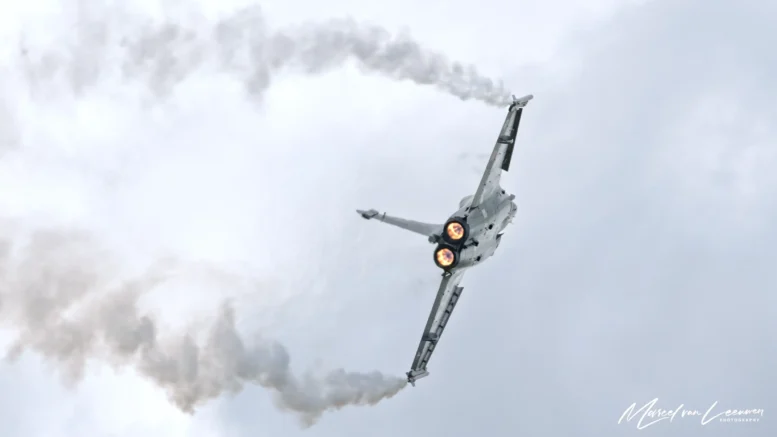
Technically, the deployment of the French-made Dassault Rafale provides Croatia with a modern, fully interoperable platform that enhances collective defense across the Balkan region. These multi-role jets allow for superior coordination with other Alliance members due to their advanced sensor suites and communication systems. The shift from Soviet-era hardware to high-tech Western aviation ensures that Croatia can respond to modern aerial threats with significantly improved speed and precision.
NATO Secretary General Mark Rutte praised the milestone, highlighting Croatia’s increased contribution to the security of the Alliance. He commended the nation for “fully assuming the responsibility for the protection of its own airspace,” noting that the Rafale integration adds a vital and modern capability to the European defense landscape.
Looking ahead, the successful deployment of these aircraft signals Croatia’s intent to remain a key player in regional stability. As the fleet reaches full operational capacity, the Croatian Air Force will likely see increased involvement in joint international missions and exercises.
This achievement marks the conclusion of a complex multi-year modernization program that brings Croatia’s aerial capabilities into the 21st century. By securing its own borders, the nation reinforces the Adriatic region’s safety and demonstrates a firm commitment to the NATO alliance.