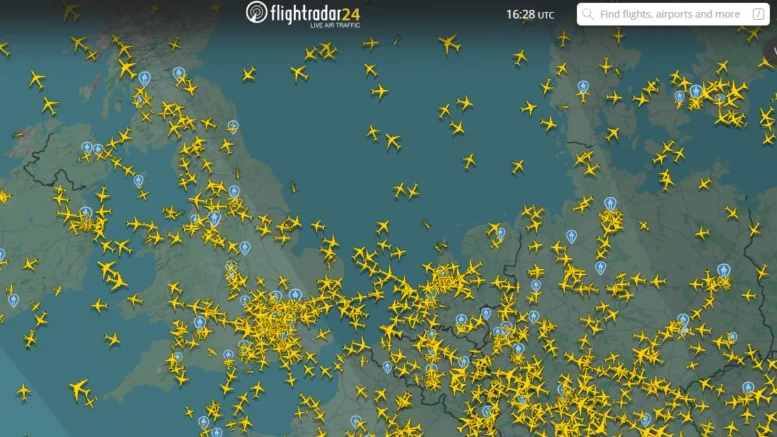
AviationNews – Boeing has forged a groundbreaking strategic partnership with Flightradar24 to integrate real-time global flight data into its digital service ecosystem. This collaboration aims to revolutionize how the aerospace giant monitors aircraft performance and manages operational efficiency for its airline customers worldwide.
The agreement grants Boeing direct access to a vast stream of live and historical flight information powered by Flightradar24’s extensive network of over 55,000 ADS-B receivers. This integration, formalized in late 2025, represents a significant expansion for Boeing Global Services as it builds out a more robust digital services platform. By merging high-fidelity external tracking metrics with internal manufacturer telemetry, the company can now provide a more comprehensive overview of aircraft utilization and fleet health across the globe.
Technically, the partnership leverages high-frequency positional data to refine predictive maintenance algorithms. By analyzing real-time trajectories and flight conditions, the system helps operators identify potential component degradation before it causes operational disruptions. This capability effectively turns unplanned “Aircraft on Ground” (AOG) events into scheduled maintenance tasks, significantly improving schedule reliability and reducing costs for commercial carriers within the aerospace sector.
“Flightradar24 data complements our existing advanced analytics capabilities and will help us deliver deeper insights and more value to customers,” stated a representative from Boeing Global Services while discussing the importance of the development. The company emphasized that this data service is a vital element in their continued innovation toward a fully digitalized support network.
Looking ahead, this data-sharing ecosystem sets a new industry standard for transparency and responsiveness in flight operations. As the industry moves toward more autonomous monitoring systems, the synergy between independent tracking leaders and aircraft manufacturers will likely accelerate the development of greener, more optimized flight paths. Stakeholders should monitor how this integration influences future flight management software and its potential to further minimize global travel delays.
This alliance underscores the critical role that “big data” now plays in modern aviation. By bridging the gap between independent ground-based tracking and manufacturer-led analytics, the two organizations are driving a more resilient and technologically advanced future for the global aviation industry.


