SpaceX Wraps Up Starship Second-Generation Test Campaign with Successful Launch from Starbase
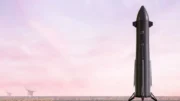
SpaceX successfully launched and landed its Starship spacecraft and Super Heavy booster from Starbase, Texas, marking the final test flight for the second-generation Starship system. The milestone flight achieved all major objectives, paving the way for the next generation of reusable heavy-lift launch vehicles.
The eleventh test flight, conducted from Pad 1 in Boca Chica, Texas, signifies the end of an era for SpaceX’s current Starship and Super Heavy configuration. Both stages performed key maneuvers, including a complex “hot-staging” sequence and a controlled splashdown of the booster, validating systems critical to future orbital missions.
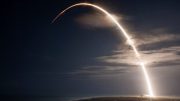
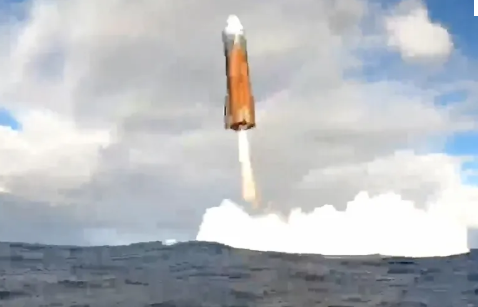
During the mission, all 33 Raptor engines on the Super Heavy booster ignited successfully, propelling the spacecraft over the Gulf of Mexico. After stage separation, Starship’s six upper-stage engines carried it into space, while the booster executed a precise boostback burn using 12 engines, followed by a 13-engine high-thrust landing burn. The Super Heavy hovered momentarily above the ocean before shutting down and splashing down—demonstrating enhanced control for future recovery attempts.
“This flight represents a major step forward in our journey to make life multiplanetary,” a SpaceX spokesperson said. “Every successful test moves us closer to achieving full reusability and the next phase of Starship’s development.”
With this test completed, SpaceX shifts its focus to the third-generation Starship and Super Heavy systems, expected to feature refined engines, structural upgrades, and a new launch pad configuration. The company aims to increase launch cadence and operational readiness for future deep-space missions, including crewed flights to the Moon and Mars.
The successful completion of this flight test marks another milestone in SpaceX’s ongoing effort to revolutionize space travel through rapid reusability and iterative design. The next-generation Starship program is now positioned to advance toward operational readiness and orbital missions in the near future.