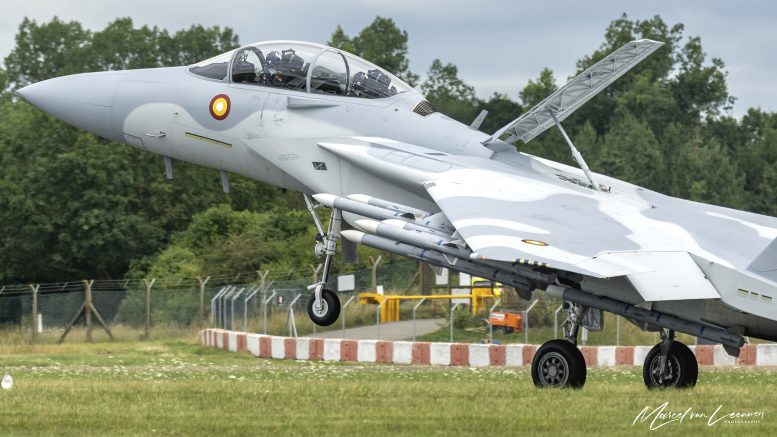
In a move shaking up the defense aviation world, over 3,200 Boeing assembly workers have gone on strike, halting production lines for some of the U.S. military’s most advanced fighter jets.
These are the people who build iconic aircraft like the F/A-18 Super Hornet, F-15EX Eagle II, and components for international defense projects. Now, the sounds of riveting, welding, and jet testing at Boeing’s St. Louis and Illinois plants have been replaced by picket lines, signs, and chants demanding a “fair deal.”
Why Are They Striking?
It all comes down to money, job security, and dignity.
Boeing offered a new three-year contract extension, which included modest wage increases and benefits tweaks. But the union, IAM District 837, called it “insulting” considering the billions in defense contracts Boeing has been landing, not to mention rising inflation.
“We’re not just numbers on a spreadsheet,” said one worker, holding a sign that read “Fighter Jets Built on Broken Promises.” Many feel the contract didn’t reflect their critical role in national defense manufacturing and offered “peanuts” in return for their specialized labor.
What’s at Stake?
The strike threatens to disrupt Boeing’s military jet production schedule, especially for the U.S. Navy’s Super Hornets, the Air Force’s F-15EX fighters, and export commitments to allies like Qatar and Poland.
Defense analysts are watching closely. Any prolonged delay could ripple into military readiness concerns, supply chain backlogs, and even international relations.
But Boeing isn’t blinking—yet. The company claims its offer is “competitive and fair” and is hoping for a quick resolution, though no new negotiation dates are confirmed.
Union’s Power Move
The timing couldn’t be sharper. Boeing’s defense sector is under pressure to stabilize its production after years of civilian aircraft woes (looking at you, 737 MAX). This strike hits at the heart of its defense manufacturing reliability, making the union’s leverage incredibly potent.
“They can’t build F-15s in Excel spreadsheets,” quipped a senior union member.
What Happens Next?
For now, the assembly lines stay quiet. Industry insiders predict Boeing will have to sweeten the deal, especially if political figures begin weighing in. A prolonged standoff could even cause strategic headaches for the Pentagon.
In the meantime, the workers remain firm on the picket lines, vowing not to return until Boeing offers what they consider a deal worthy of the badge they wear — both union and national.


