What happened:
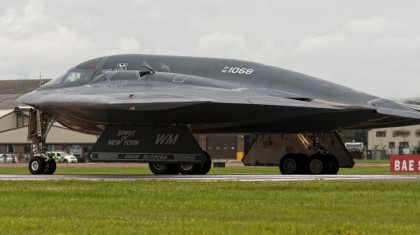
In a dramatic move early Sunday (local Iran time, June 22), U.S. military aircraft and submarines launched coordinated strikes on three key Iranian nuclear facilities: Fordow, Natanz, and Isfahan. B‑2 stealth bombers dropped 30,000‑lb bunker‑buster bombs (GBU‑57 Massive Ordnance Penetrators), while U.S. submarines fired Tomahawk cruise missiles at the other two sites It marks the first direct U.S. military strike on Iranian soil since 1979 .
Timing & scale:
According to Iranian sources, the strikes occurred around 2:30 a.m. IRST (7 p.m. EDT on June 21, U.S. time) President Trump described the operation as a “spectacular military success,” asserting that “Iran’s key nuclear enrichment facilities have been completely and totally obliterated”.
Strategic context:
These airstrikes mark a significant escalation in the ongoing Iran–Israel war, which commenced earlier this month after a series of Israeli strikes on Iranian military and nuclear infrastructure. The U.S. justified its involvement as necessary to dismantle Iran’s nuclear capability and act as a deterrent to further aggression .
Weapons & methodology:
- Fordow: targeted with six bunker-buster bombs dropped by B‑2 stealth bombers.
- Natanz & Isfahan: hit by over 30 Tomahawk missiles launched from submarines.

U.S. leadership & rhetoric:
President Trump warned Iran that further retaliation would be met with even stiffer U.S. force and said all planes had exited Iranian airspace safely. Defense Secretary and Secretary of State stood by his side during the televised address.
Domestic reactions:
Congressional response is sharply divided. Many Republicans applaud the strike as bold and necessary, while prominent Democrats (and a few GOP figures) have criticized it as lacking constitutional authority and bypassing Congress.
Global response:
- Israel: Prime Minister Netanyahu praised the U.S. action, calling it “historic” and potentially “changing history”.
- Iran: Confirmed the strikes but denied severe damage or radiation leaks, denouncing the attacks as violations of international law and vowing consequences.
- United Nations & other countries: Expressed deep concern about the risk of a wider conflict and urged both sides to de-escalate .
Risks & next steps:
U.S. officials are on high alert for possible Iranian attacks on American troops and infrastructure in the region—or even homeland threats via proxies or cyberattacks . Meanwhile, Iran has pledged to “reserve all options,” including potential Iranian missile or drone strikes .