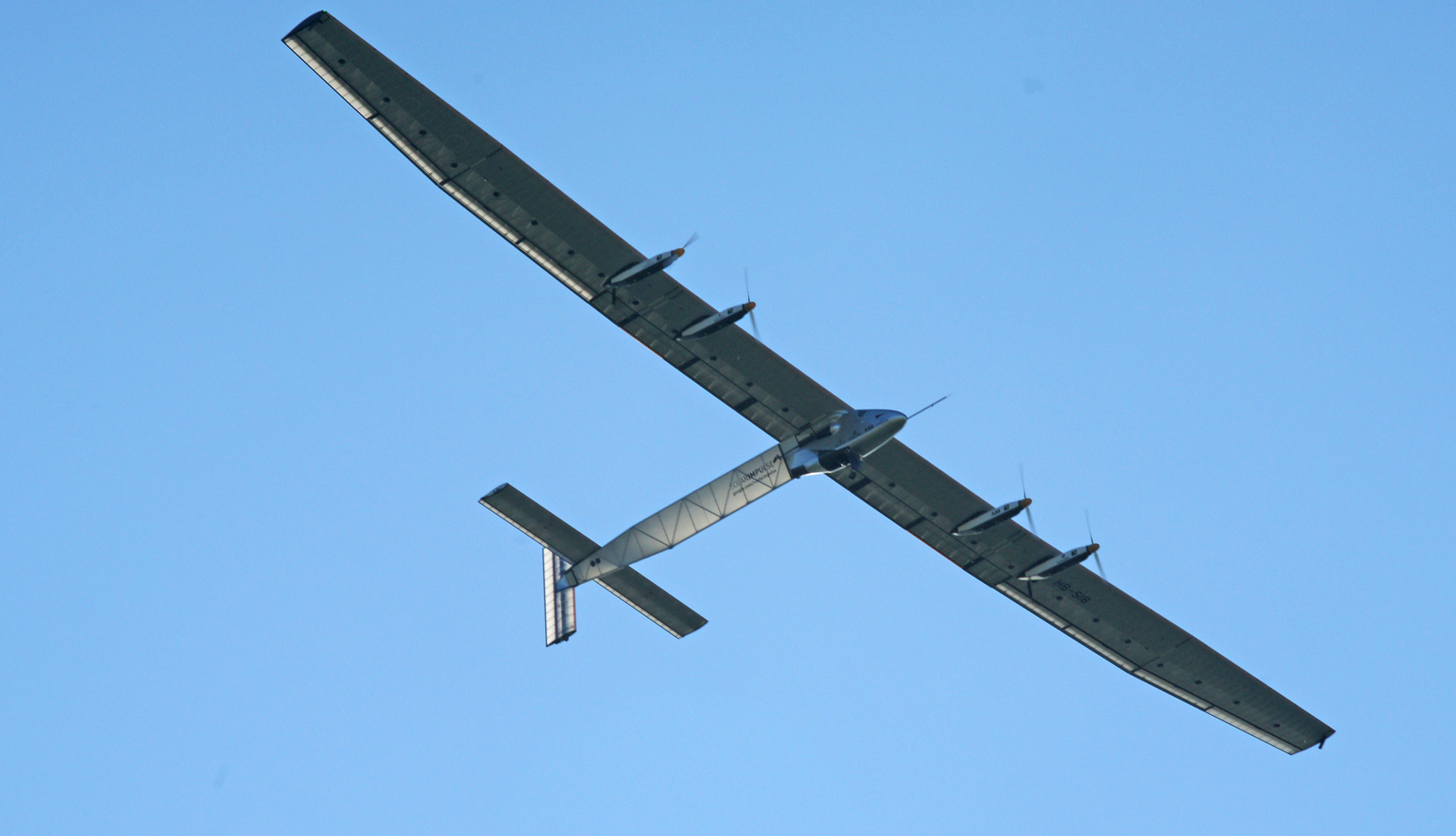
Aviation News – The historic Solar Impulse 2 aircraft crashed into the Gulf of Mexico off the Mississippi coast on May 4, 2026, during a scheduled flight test. The incident marks the loss of the world’s most famous solar-powered plane, which is currently being utilized as a research platform for long-endurance unmanned flight.
The experimental aircraft, celebrated for its global circumnavigation in 2016, was operating under the management of Skydweller Aero. The US-Spanish aerospace firm acquired the vessel in 2019 to serve as a flying laboratory for its surveillance and reconnaissance development programs. On the morning of the accident, the plane departed from Stennis International Airport for a series of routine evaluations aimed at advancing solar-flight endurance.
Tragedy struck at approximately 06:22 local time when the aircraft reportedly suffered a sudden loss of power. At the time of the crash, the platform was functioning as an unmanned aircraft, a conversion completed by Skydweller to test autonomous systems. Local authorities and company representatives confirmed the aircraft went down in the sea, though the specific cause of the electrical failure remains under investigation.
The Solar Impulse 2 functions by using thousands of photovoltaic cells embedded in its massive wingspan to power electric motors and charge high-capacity batteries for night flight. Its operational impact has been significant, proving that perpetual flight is theoretically possible without fossil fuels. This specific test was designed to further refine the long-endurance capabilities required for persistent military and environmental monitoring missions.
The loss of this airframe creates a temporary hurdle for the development of solar-powered platforms, though the data gathered during its final moments will likely inform safer designs. As the industry moves toward zero-emission aviation, the lessons learned from this experimental flight will be crucial for the next generation of autonomous solar craft. Engineers are expected to focus on redundant power systems to prevent similar failures in future prototypes.
The crash of Solar Impulse 2 marks the end of an era for one of aviation’s most recognizable experimental prototypes. While the physical aircraft is lost, its contribution to solar-powered technology remains foundational for the aerospace sector. Investigators will now work to recover the wreckage to determine if the power loss resulted from a component defect or environmental factors.


