Aviation News – President Volodymyr Zelensky announced on March 10 that Ukraine has deployed three teams of military specialists to the Middle East to assist in defending against escalating Iranian drone and missile strikes. This strategic move aims to share combat-tested expertise in exchange for critical air defense interceptors needed to protect Ukrainian cities.
The Ukrainian military experts are arriving this week in Qatar, the United Arab Emirates (UAE), and Saudi Arabia. These nations have faced increased fire from Iranian Shahed drones following regional military escalations in late February. This initiative builds on a previous deployment where Kyiv sent drone interceptors and specialists to bolster the defense of U.S. bases in Jordan at the request of Washington.
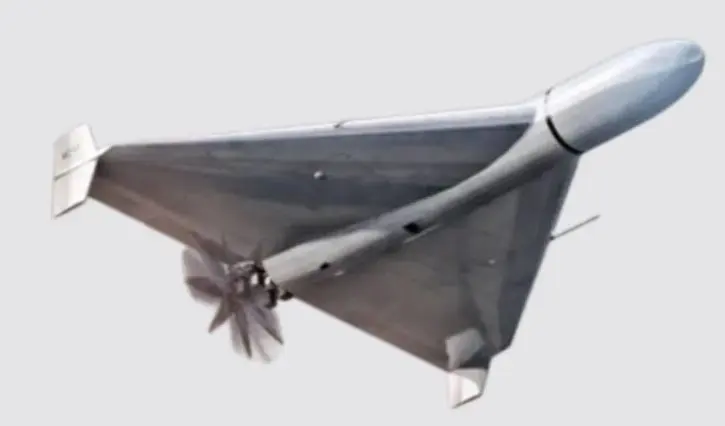
The mission is rooted in Ukraine’s extensive, two-year experience defending against near-daily Russian attacks utilizing the same kamikaze drones now threatening the Middle East. By positioning these veteran teams in the Gulf, Kyiv is leveraging its unique operational knowledge of Iranian weaponry to assist regional partners while seeking to secure its own domestic security needs.
The technical focus of these missions involves deploying sophisticated drone interceptors and sharing tactical data on the flight patterns and electronic signatures of low-cost loitering munitions. This exchange is vital for developing high-success intercept strategies that prevent the saturation of existing air defense systems, ensuring that infrastructure remains protected against relatively inexpensive but lethal threats.
“This week, all three [teams] will be in three different countries,” President Volodymyr Zelensky stated during a press briefing, highlighting the international scope of the effort. He noted that the collaboration is a direct response to the surge in Shahed drone activity and the urgent need for a unified defense posture against ballistic threats.
Kyiv’s primary objective in this diplomatic exchange is to replenish its dwindling stockpiles of PAC-2 and PAC-3 missiles for its Patriot air defense systems. As Russia continues to launch heavy missile salvos, acquiring these advanced interceptors from Middle Eastern partners could prove decisive in maintaining Ukraine’s integrated air defense network.
Ultimately, this deployment marks a significant shift in Ukraine’s role from a recipient of security to a provider of specialized defense expertise. If the mission successfully secures the requested Patriot missiles, it will significantly enhance Kyiv’s ability to safeguard civilian lives against ballistic missiles while fostering new strategic alliances in the Middle East.
