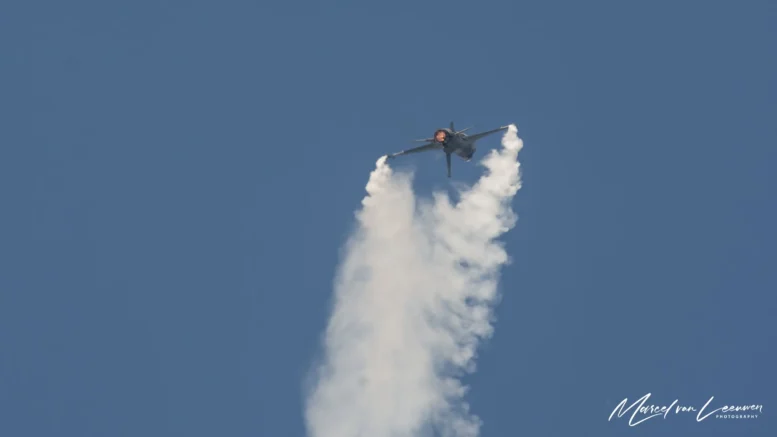
AviationNews – US Central Command (CENTCOM) has significantly increased air patrols over central Syria, deploying F-16 Fighting Falcons in a deliberate “show of force” following a lethal ambush that claimed the lives of American personnel. The fighter jets have been active in the skies above Palmyra and the surrounding desert regions over the last few hours, signaling a rapid and visible military response to the first deadly attack on U.S. forces in the country since the recent geopolitical shift in Damascus.
The aggressive air posturing comes in the immediate aftermath of a ground incident on December 13, where a joint patrol consisting of U.S. service members and Syrian partner forces was targeted by a gunman linked to ISIS. The attack, which occurred near the historic city of Palmyra, resulted in the deaths of two U.S. Army soldiers and one American civilian interpreter, with three others sustaining injuries. This tragedy has rattled the fragile security architecture in post-Assad Syria, where American troops have been coordinating more closely with new government forces to root out Islamic State remnants.
Operational reports confirm that the F-16s are conducting low-altitude flights and surveillance sweeps, a tactic designed to deter further insurgent activity and reassure allied ground units. By asserting air dominance, the U.S. military aims to disrupt the movement of sleeper cells in the porous “Badia” desert region, a known hideout for extremists. The deployment also serves as a warning to any opportunistic actors looking to exploit the situation, demonstrating that U.S. airpower remains readily available to defend its personnel despite the evolving diplomatic landscape.
“This was an ISIS attack against the U.S. and Syria in a very dangerous part of Syria that is not fully controlled by them,” President Donald Trump stated in response to the violence, vowing that “there will be very serious retaliation.”
This sudden escalation suggests a potentially volatile period ahead for the region. As CENTCOM investigates the breach that allowed the gunman—suspected to be an infiltrator—to get close to the joint patrol, the continued presence of high-performance combat aircraft overhead indicates that Washington is prepared to intensify its military footprint to protect its remaining forces.
United States Central Command has authorized these intensified air operations to stabilize the security situation and deter future aggression against coalition forces. The continued sorties of F-16 fighters underscore the enduring complexity of the mission in Syria, where tactical threats persist despite broader political changes.