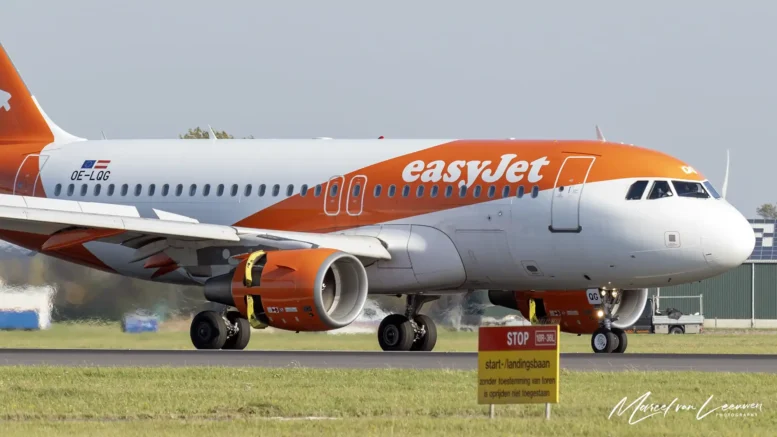
AviationNews – EasyJet has officially confirmed plans to accelerate the retirement of its remaining Airbus A319 aircraft, marking a decisive shift towards a more modern and higher-capacity fleet structure. This strategic move aims to optimize operational performance and streamline costs by transitioning exclusively to larger, next-generation models to better serve its expanding network.
As part of a comprehensive fleet modernization strategy, the major low-cost carrier is prioritizing the induction of Airbus A320neo and A321neo variants. This decision reflects a broader industry trend where airlines are replacing older, smaller jets with more fuel-efficient alternatives to handle increasing passenger demand while effectively managing overheads. The airline is moving away from the smaller capacity of the A319 to focus on airframes that offer better economic returns per flight.
By swapping out the aging A319s for the larger Neo family, the airline significantly increases its seat capacity per airport slot. The A320neo and A321neo feature advanced engines and aerodynamic improvements that deliver substantial fuel savings and reduced noise footprints. This technical upgrade directly contributes to lower unit costs, allowing the airline to maintain competitive pricing while improving its environmental performance.
“Transitioning to the larger Neo variants is essential for delivering better value and achieving our operational goals,” a statement regarding the strategy suggests. “This acceleration allows the airline to maximize efficiency and meet growing demand with a younger, more capable fleet.”
Looking ahead, this expedited transition positions the airline to operate one of the most efficient fleets in Europe. The shift not only future-proofs their operations against volatile fuel markets but also enhances their competitive edge on high-density routes through increased passenger load factors and improved schedule reliability.
In conclusion, EasyJet is aggressively streamlining its operations by removing the A319 from service earlier than originally planned. This pivot to larger Airbus Neo aircraft ensures the carrier remains agile, cost-effective, and ready for future growth in the competitive European aviation market.