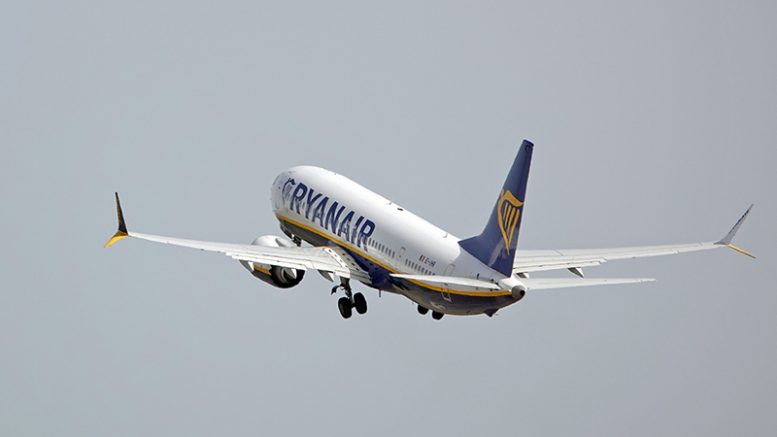
AviationNews – Ryanair has issued a stark warning regarding its future operations in Germany, threatening significant capacity reductions for the Summer 2026 schedule. CEO Michael O’Leary cited escalating aviation taxes and airport fees as the primary drivers, signaling a potential strategic shift of resources to more cost-competitive markets like Italy and Poland.
During a press briefing held this morning, the Irish low-cost carrier criticized the German government’s approach to aviation pricing. The airline argues that recent sharp increases in aviation taxes and security charges at major German hubs have rendered the market increasingly unviable for high-volume budget operations. This potential withdrawal continues a broader trend of Ryanair reducing its footprint in high-cost environments, contrasting sharply with its aggressive expansion in Southern and Eastern Europe where operational costs remain significantly lower.
Operationally, this pivot would involve physically relocating aircraft currently based in Germany to alternative bases abroad. By shifting these assets to growing markets in Italy and Poland, the airline aims to maximize aircraft utilization and maintain profit margins. For German travelers, this move would effectively decrease direct flight options and potentially drive up fares as competition dwindles on key intra-European routes previously dominated by the budget carrier.
Addressing the media, Michael O’Leary emphasized the economic reality driving the decision. “The German government is effectively pricing its own citizens out of air travel with these punitive measures. We cannot continue to absorb these unsustainable cost increases; if the fees remain high, our aircraft will move to countries that actively encourage tourism and connectivity rather than penalizing it.”
If these threats materialize, the German aviation market could face a significant “connectivity gap” entering the Summer 2026 season. Regional airports dependent on low-cost traffic would likely suffer the most from the withdrawal, placing pressure on German policymakers to reconsider the current fee structures to prevent a further exodus of budget airlines.
In summary, Ryanair is preparing to slash its German schedule unless there is a reversal in the current tax policy. The airline’s ultimatum highlights the growing tension between government fiscal measures and the operational realities of the low-cost aviation sector.
