AviationNews – A Russian military transport aircraft crashed on the Crimean Peninsula yesterday evening, resulting in the deaths of all 29 people on board. The Russian Ministry of Defense confirmed the fatal incident, which occurred during what was described as a routine scheduled flight.
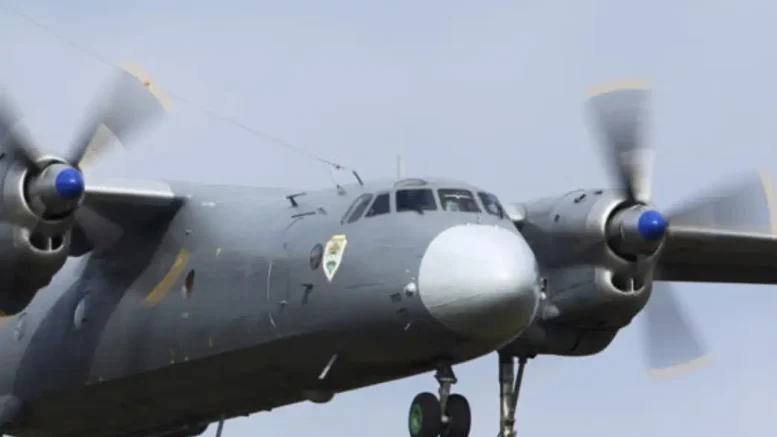
The aircraft, an Antonov An-26, was carrying six crew members and 23 passengers when it went down. Search and rescue teams located the wreckage on a coastal cliff shortly after the disappearance. While the Crimean Peninsula has been under Russian occupation since 2014, initial reports from state news agencies suggest that the disaster was not the result of external military action but rather an internal failure during transit.
Preliminary investigations by authorities indicate that a technical malfunction is the most likely cause of the tragedy. Experts noted that there were no immediate signs of hostile fire or outside interference found on the debris. The An-26, a twin-engine turboprop designed in the 1960s, is a workhorse of the Russian fleet but has been plagued by a series of fatal accidents in recent years across various international territories, including previous crashes in Ukraine, Sudan, and the Ivory Coast.
“The search and rescue team has successfully located the crash site of the An-26 aircraft,” a spokesperson for the Russian Ministry of Defense stated via the TASS news agency. Officials further clarified that the flight was operating under standard military protocols before the sudden descent.
This latest disaster highlights ongoing concerns regarding the aging fleet of Soviet-era transport planes still in active service. As investigators analyze the flight data, the incident is expected to prompt stricter maintenance reviews for the remaining Antonov units to prevent further loss of life.
The crash marks one of the deadliest aviation incidents for the Russian military in the region this year. With 29 confirmed fatalities and no survivors reported, the focus now shifts to a full forensic analysis of the wreckage to determine exactly which mechanical component failed.