AviationNews – Japan’s Air Self-Defense Force (JASDF) intercepted China’s newest anti-submarine warfare aircraft, the Y-9FQ, for the first time during a high-stakes mission over the East China Sea. This encounter marks a significant escalation in regional monitoring as Beijing deploys its most advanced maritime patrol technology to date.
The encounter occurred in March 2026, when Japanese radar detected the sophisticated aircraft operating near Japan’s air defense identification zone. While the Y-9FQ debuted publicly in 2025, this flight represents one of its first operational sorties tracked by foreign defense forces. The mission coincided with a broader surge in regional military activity involving Russian MiG-31 fighters and intelligence vessels, prompting the Japanese Ministry of Defense to maintain a state of high alert. Experts view the deployment of this specific variant as a clear signal of China’s intent to dominate the underwater and electronic battlespace.
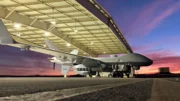
Technically, the Y-9FQ serves as a specialized “detect and track” platform designed to hunt modern submarines. It features a unique, unusual nose design housing a high-definition AESA radar, complemented by advanced electro-optical sensors and electronic intelligence (ELINT) systems. These upgrades allow the aircraft to monitor vast swaths of the ocean with pinpoint accuracy, providing China with a substantial advantage in maritime situational awareness and the ability to track quiet, deep-sea targets.
“The confirmed presence of this aircraft, featuring a redesigned nose configuration unlike previous models, represents a new challenge for regional security and confirms China’s rapid modernization of its special mission fleet,” noted a defense analyst regarding the Y-9FQ interception.
This development signals a more aggressive posture in Asian geopolitics, where information superiority is becoming the primary currency. As China integrates these platforms into its broader strategy involving Taiwan and joint operations with Russia, Japan is likely to increase its own surveillance capabilities. This cycle of deployment and interception highlights a strategic environment that is becoming increasingly sensitive and technically complex.
The Y-9FQ’s operational debut underscores a shift toward persistent, high-tech surveillance in contested waters. Moving forward, the international community should expect more frequent encounters as China seeks to cement its maritime influence and intelligence reach.