AviationNews – Madrid Blocks U.S. Access to Strategic Southern Airbases
The Spanish government has officially prohibited all military aircraft associated with the U.S. and Israeli operations in Iran from entering its national airspace. This significant diplomatic shift effectively cuts off a vital transit route for American forces stationed in the United Kingdom and other international locations as tensions in the Middle East continue to escalate.
This decision, first reported by the Spanish newspaper El País on March 30, 2026, marks a sharp departure from traditional defense cooperation between the two allies. Prime Minister Pedro Sánchez has been a vocal critic of the military campaign since it began on February 28, labeling the strikes as part of an “illegal war.” The ban specifically targets the joint-use facilities at Rota and Morón, located near Cádiz and Sevilla. While flight-tracking data indicated that over a dozen U.S. aircraft departed these bases during the initial days of the conflict, the new mandate ensures no further sorties against Iranian targets can originate from or transition through Spanish soil.
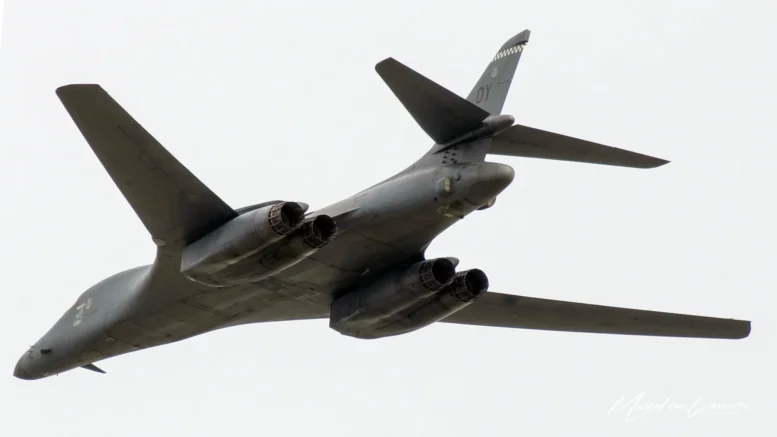
The operational impact of this closure is substantial, as the Rota and Morón bases serve as critical logistical hubs for power projection into the Mediterranean and Middle East. By denying overflight rights, Spain forces U.S. military planners to reroute transport and combat aircraft, potentially increasing flight times and refueling requirements. This move highlights a growing rift within European leadership regarding the legality and strategic necessity of the current retaliatory strikes occurring across the region.
“The conflict has evolved into an unsustainable cycle of violence,” a government spokesperson indicated, echoing the Prime Minister’s stance on international law. “Spain remains committed to its alliances, but we cannot permit our sovereign territory or infrastructure to be utilized in a military campaign that we have officially condemned as illegal.”
As the conflict enters its second month, Spain’s stance may prompt other European nations to re-evaluate their logistical support for the U.S.-led coalition. This diplomatic friction suggests that the future of Western military cooperation in the region will depend heavily on achieving a ceasefire or a clear legal mandate.
The closure of Spanish airspace represents a major logistical hurdle for American operations targeting Iran. By prioritizing its diplomatic principles over military convenience, Madrid has set a precedent that could reshape how NATO allies navigate non-treaty conflicts in the future.