What’s Happening?
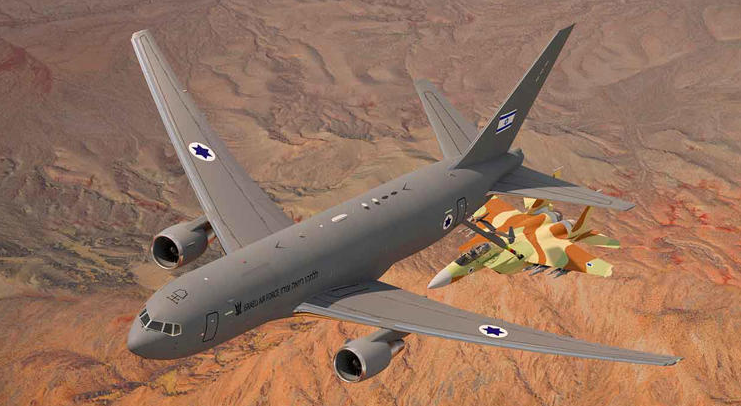
Israel is set to acquire two additional Boeing KC-46A Pegasus aerial refueling tankers, sealing a roughly $500 million deal fully funded through U.S. military aid. This move supplements the four KC-46s already on order, pending approval from Israel’s defense procurement committee.
What Makes It Strategic?
- Extended Reach & Power: According to Amir Baram, Director-General of Israel’s Ministry of Defense, these extra tankers will drastically extend the Israeli Air Force’s (IAF) long-range capabilities—especially when paired with stealth F-35I Adir fighters and heavy strike jets.
- The KC-46s were already tapped during Israel’s 12-day air campaign against Iran in June, underscoring their tactical importance.
- Even more intriguing: the contract includes integrating Israeli-developed systems, though specifics remain under wraps.
A Legacy in the Making
- This isn’t just a one-off deal. In 2022, Israel signed for four KC-46s at $927 million—thanks to a long-term U.S. Foreign Military Financing (FMF) agreement.
- Today, the IAF’s aged Boeing 707-based tankers are being phased out in favor of modern KC-46s, positioned at their Nevatim Airbase, home of the “Desert Giants.”
Politics & Questions at Home
While Israeli leadership emphasizes the value of aerial refueling in maintaining a strategic edge, the U.S. political scene is a bit more divided:
- Some lawmakers—across both parties—are raising eyebrows over the high cost of foreign military aid, especially amid Israel’s Gaza operations.
Why It Matters
For Israel:
- Operational Flexibility: More tankers boost Israel’s ability to conduct sustained, long-distance air operations with missions ranging from deterrence to counterstrike.
- Advanced Integration: Future missions may now blend U.S. avionics with Israeli tech—a potential game-changer.
For the U.S.:
- Strategic Partnering: This deal reinforces the U.S.-Israel defense relationship.
- Geopolitical Signaling: Expands Israel’s ability to respond quickly and decisively to regional threats—especially from Iran.
Regionally:
- Message to Neighbors: It’s a clear signal to regional actors—particularly Iran—that Israel’s aerial reach won’t be underestimated.