Summer special 2025
Aviation News – July 12, 2025 Urban Air Mobility (UAM) aircraft are a new class of air vehicles designed to operate in urban environments, aiming to reduce ground traffic congestion and improve mobility in crowded cities. These aircraft, often referred to as eVTOLs (electric Vertical Takeoff and Landing vehicles), represent a major leap forward in aviation technology and urban transportation systems.
Key Characteristics of UAM Aircraft
- Electric Propulsion:
Most UAM aircraft are powered by electric motors rather than traditional jet engines. This allows for quieter operations and significantly lower emissions, making them more suitable for dense urban areas. - Vertical Takeoff and Landing (VTOL):
UAM aircraft can take off and land vertically, similar to helicopters. This eliminates the need for long runways, enabling operations from compact spaces like rooftops or dedicated urban “vertiports.” - Compact Design:
Many designs are small and lightweight, built to carry a few passengers or cargo. They prioritize efficiency, safety, and minimal noise footprint. - Autonomy and AI Integration:
Some UAM concepts feature autonomous or semi-autonomous flight capabilities. These aircraft use AI and advanced sensors for navigation, obstacle detection, and safe operation in complex urban airspace.
Types of UAM Aircraft
UAM aircraft can be broadly categorized into:
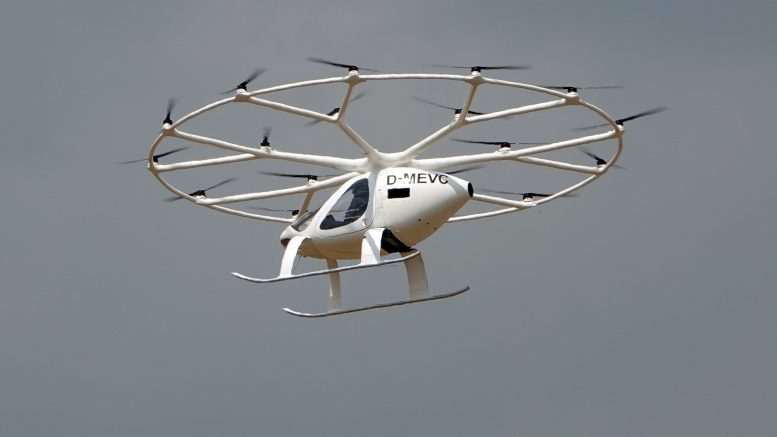
- Multicopters: Similar to drones, with multiple rotors providing lift and control (e.g., Volocopter).
- Tiltrotor or Tilting Wing Aircraft: With rotors or wings that tilt to allow both vertical takeoff and efficient forward flight (e.g., Joby Aviation).
- Lift + Cruise Designs: Separate systems for vertical lift and forward thrust (e.g., Lilium Jet).
Leading UAM Aircraft Projects
Beta (USA)
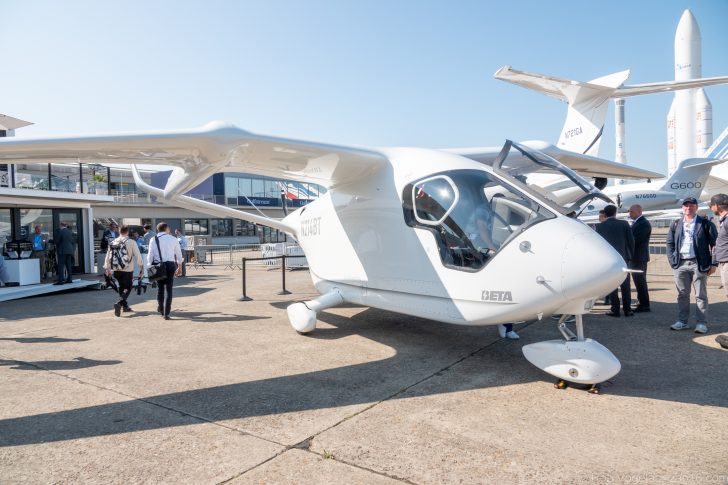
Beta CX300 N214BT
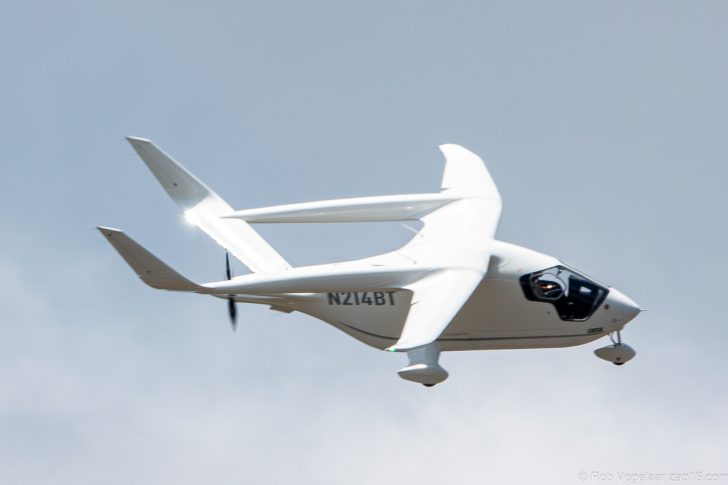
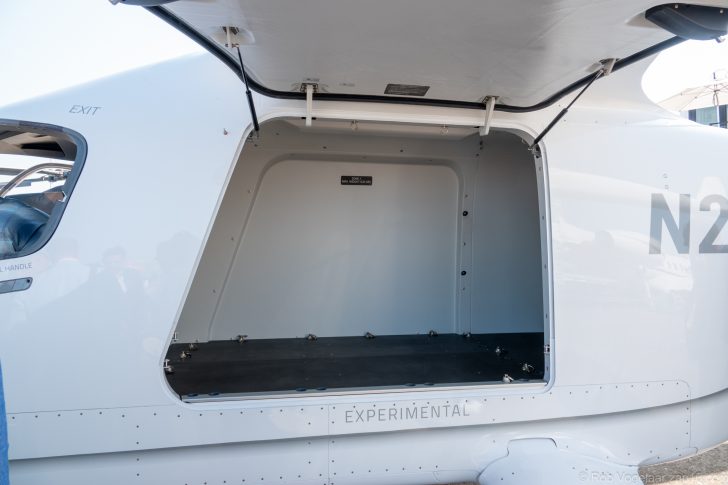
The Beta CX300 conventional takeoff and landing all-electric aircraft can carry up to five passengers or 1,250 lbs (567kg) of cargo and has a range of up to 386 miles (621km). It is aimed at the regional and intra-city aviation markets. Based in Vermont, Beta presented this cargo version during the 2025 Paris Air Show.
Joby Aviation (USA):
A five-seat eVTOL aircraft with a range of about 150 miles and a top speed of 200 mph. It uses tilt-rotor technology and is one of the most advanced UAM prototypes to date.
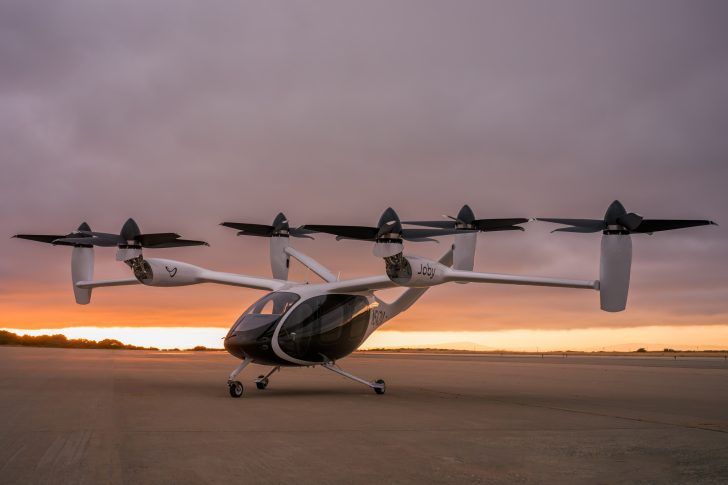
(Photo credit: Joby Aviation)
Volocopter (Germany):
A multicopter design focused on short-distance urban flights. Volocopter has conducted public test flights and is working with cities to deploy early UAM services.
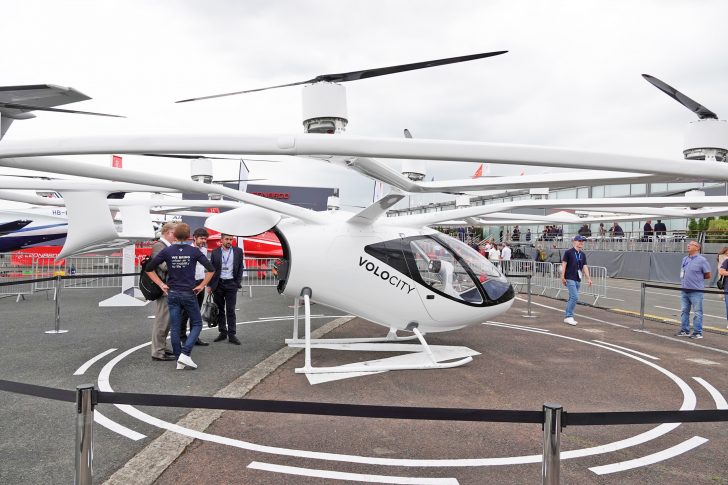
Volocopter VoloCity
Pipistrel (Slovenia)
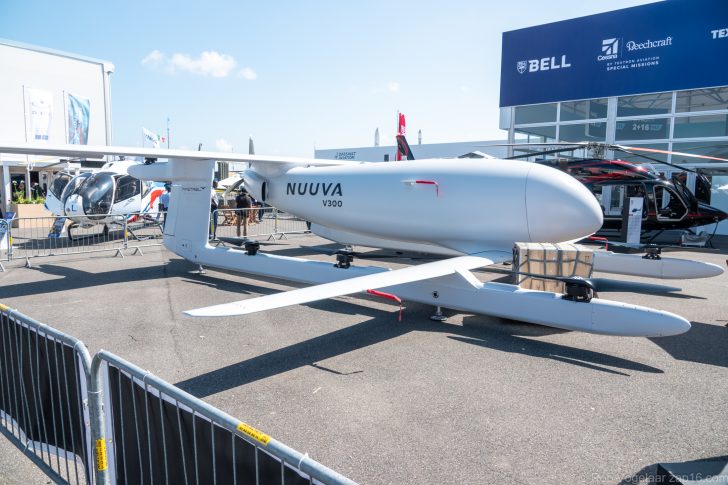
NUUVA V-300
The NUUVA V‑300 merges aerial flexibility with economic efficiency: VTOL capability meets long-range cruise, autonomous operation, and heavy‑lift cargo—all in a compact hybrid-electric package. Having completed its first hover flight, backed by significant orders and regulatory steps underway, it’s positioned to transform cargo logistics across diverse sectors.
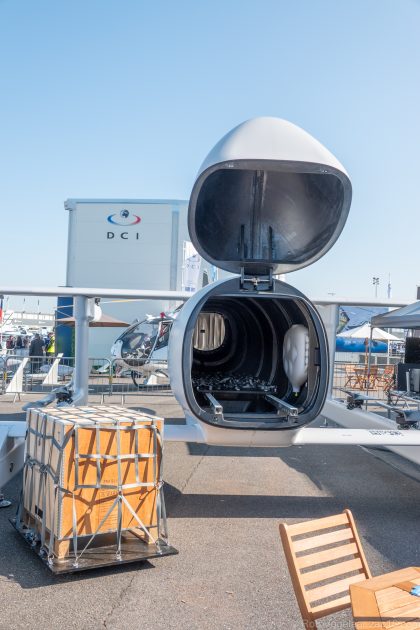
NUUVA V-300 cargo drone
Lilium Jet (Germany):
A futuristic jet-like eVTOL aircraft with 36 electric ducted fans, designed for regional air mobility as well as urban travel. It targets ranges up to 155 miles.
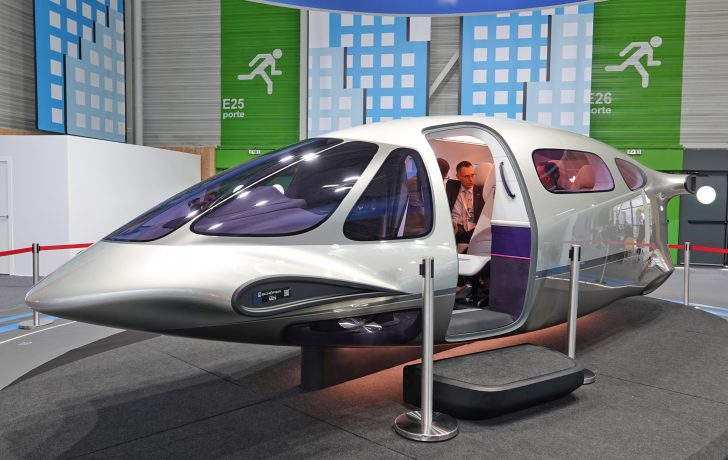
LiLium
Archer Aviation (USA):
Its eVTOL, “Midnight,” is designed for urban air taxi services with a 100-mile range and high-speed performance.

EHang 216 (China):
A fully autonomous passenger drone for short-distance urban flights. EHang focuses heavily on autonomous operation and fleet management.
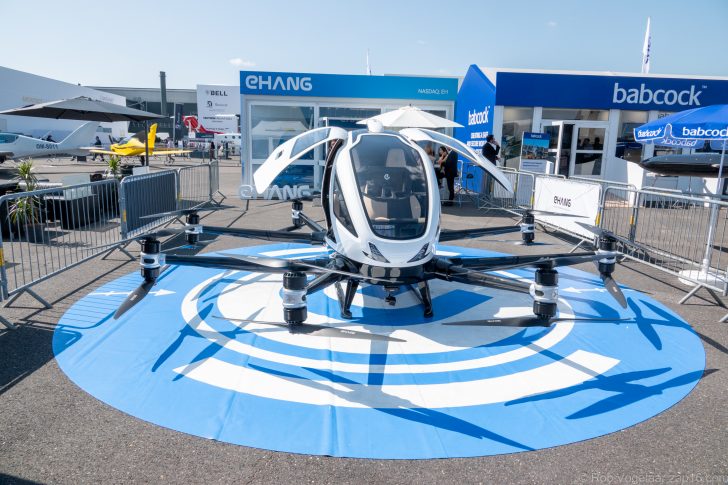
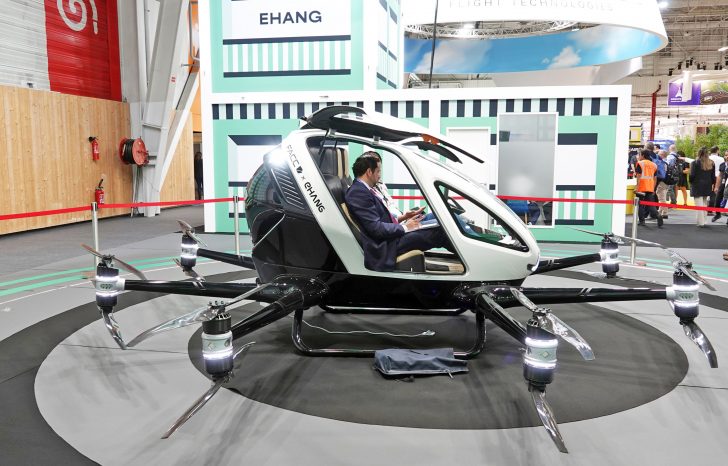
EHang – Passenger Autonomous Aerial Vehicle (AAV)
VoltAero (France)
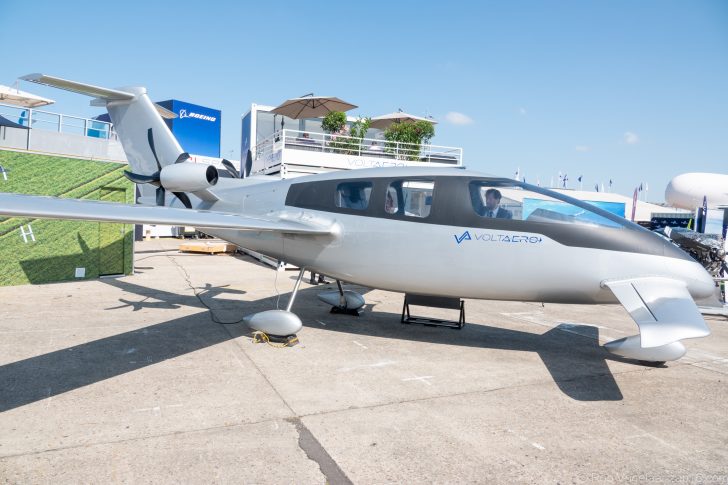
VoltAero Cassio 330
The production, unveiled at Paris Air Show 2025, now features:
-
T‑tail replacing twin-booms for improved safety.
-
Twin aft “pusher” electric motors (~Safran EngineUS) plus internal combustion range-extender inside fuselage, forming a series-hybrid architecture
Wisk Generation 6
Wisk’s most advanced model to date is the “Generation 6” eVTOL aircraft, which is designed for fully autonomous flight with remote human oversight. It is the world’s first candidate for certification of an autonomous passenger eVTOL by the FAA.

Wisk 6th Generation eVTOL
Eve’s eVTOL employs a “lift + cruise” configuration, featuring eight fixed vertical rotors for takeoff and landing, and a rear pusher propeller for forward flight. This design enhances safety, reduces mechanical complexity, and minimizes noise during cruise.
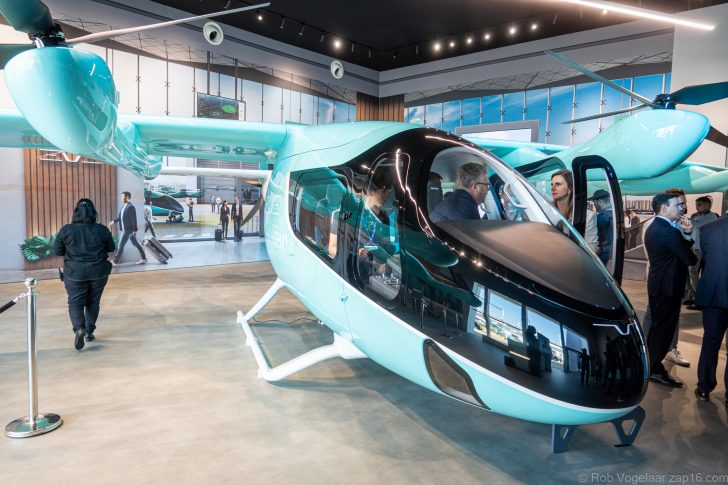
Eve’s 100
Blue Spirit Aero (France)
Blue Spirit Aero’s Dragonfly is pioneering hydrogen fuel‑cell aviation with a distributed-electric propulsion design, cutting-edge fuel-cell tech, and advanced redundancy systems. With ground tests underway, certification and first flights planned by 2026, the startup is poised to revolutionize clean flight training—and potentially scale into larger aircraft. Their partnerships with Dassault Systèmes, Ballard, Thales, and Atawey give strong support to their roadmap.
Applications and Potential
- Air Taxis: Point-to-point transportation across cities.
- Medical Evacuation and Emergency Response: Rapid transport of patients and medical supplies.
- Cargo Delivery: Efficient urban logistics solutions.
- Last-Mile Connectivity: Linking major transport hubs with local destinations.
Conclusion
UAM aircraft are on the frontier of a mobility revolution, combining aviation technology with urban planning and sustainability goals. While still in early stages of deployment, these vehicles promise to redefine how we navigate cities—offering cleaner, faster, and more flexible travel options in the skies above.

Wisk 6th Generation eVTOL
Photos Rob Vogelaar


