Aviation News – Escalating jet fuel costs triggered by the US-Israeli war with Iran have pushed several international carriers into bankruptcy, debt restructuring, and immediate flight suspensions, threatening global air travel stability and budget airline survival.
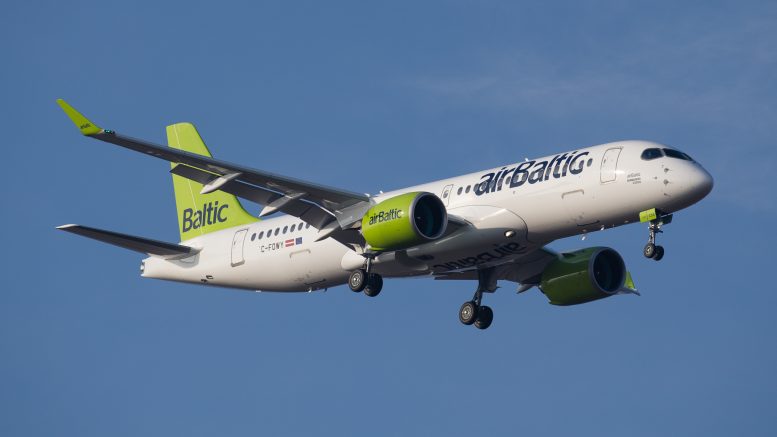
Following the outbreak of the conflict, soaring jet fuel prices severely intensified financial pressures on airlines already operating on razor-thin margins and strained balance sheets. On May 2, US discount carrier Spirit Airlines ceased operations entirely after a proposed government bailout collapsed and lenders refused to provide fresh capital. Months later, in September, Latvian carrier airBaltic voluntarily entered Chapter 11 bankruptcy proceedings in the United States and announced plans to cut 500 to 700 jobs in October to manage its mounting debt.
Other European operators also scrambled to secure lifelines as fuel expenses climbed throughout the year. Spanish low-cost airline Volotea opened creditor negotiations in September alongside Spain’s state holding company SEPI and financial institutions to restructure long-term debt and raise new capital by December. Meanwhile, the crisis deepened in late November when Spanish long-haul carrier Plus Ultra suspended its Madrid-Caracas route until further notice on November 23, followed closely by Norwegian budget carrier Norse Atlantic halting flights on November 26.
Operationally, airlines without fuel hedging agreements—financial contracts used to lock in fuel prices ahead of time—suffered immediate exposure to volatile spot markets. Because fuel represents one of an airline’s largest variable expenses, sudden price spikes rapidly deplete cash reserves, forcing carriers to ground aircraft, slash unprofitable routes, and lay off staff to preserve liquidity.
“Our financial situation is critical, and the board intends to file for bankruptcy if a short-term financing solution is not secured urgently,” Norse Atlantic stated regarding the immediate threat to its operations.