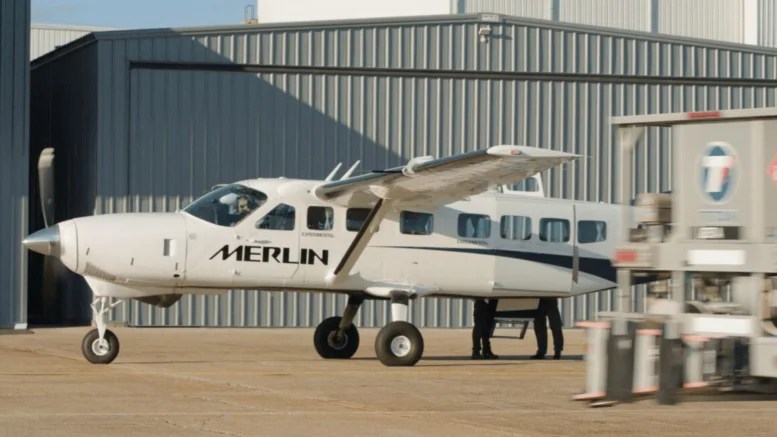
Aviation News – Boston-based Merlin has secured a $500,000 contract from US Africa Command (AFRICOM) to demonstrate an autonomous casualty evacuation mission using a Cessna 208B Grand Caravan in Morocco, the company announced on November 11, 2026. The milestone initiative aims to showcase cutting-edge uncrewed flight capabilities for high-risk medical rescue operations in austere environments.
The award covers the initial phase of AFRICOM’s Autonomous CASEVAC Industry Technology Challenge, with the live demonstration scheduled for early US government fiscal year 2027, which commenced on October 1, 2026. This selection underscores the growing military reliance on advanced commercial autonomous aviation solutions to solve critical logistical and humanitarian challenges.
The upcoming demonstration will execute a complete operational sequence from initial tasking and flight planning through autonomous departure and transit to an austere casualty collection site. Following simulated patient loading, the aircraft will execute an autonomous return flight and landing without direct human pilot intervention.
The autonomous flight system integrates advanced sensors, flight computers, and algorithmic software to manage complex maneuvers and navigate GPS-denied or degraded environments safely. By removing pilots from hazardous rescue routes, the technology promises to revolutionize operational safety and expand medical evacuation access in contested zones.
“Demonstrating autonomous CASEVAC capabilities for AFRICOM highlights the life-saving potential of our technology in complex operational environments,” company representatives noted, emphasizing the strategic significance of the upcoming Moroccan trials.
The successful validation of this technology will likely pave the way for broader military adoption of autonomous heavy logistics and medical transport fleets globally. Future defense strategies will increasingly incorporate uncrewed aircraft to maintain resilient supply and rescue lines under hostile conditions.