Aviation News – Naval Air Systems Command has awarded Leonardo DRS a three-year contract for low-rate initial production of the DAIRCM aircraft survivability system to protect military crews from surface-to-air threats.
The multi-year indefinite-delivery/indefinite-quantity agreement marks a critical transition following the program’s successful Engineering and Manufacturing Development phase. During that earlier stage, Leonardo DRS incorporated key capability and producibility enhancements into the system configuration. To date, the technology has already been deployed on aircraft operating under a Joint Urgent Operational Need Statement in demanding operational theaters.
Under the terms of the new agreement, Leonardo DRS will provide full hardware production, aircraft integration, systems engineering, program management, and associated logistics support. Hardware manufacturing will take place at company facilities in Dallas, Texas, and San Diego, California, while integration and logistics activities will be stationed out of Fort Walton Beach, Florida. This multi-site footprint ensures a streamlined path from assembly to frontline deployment.
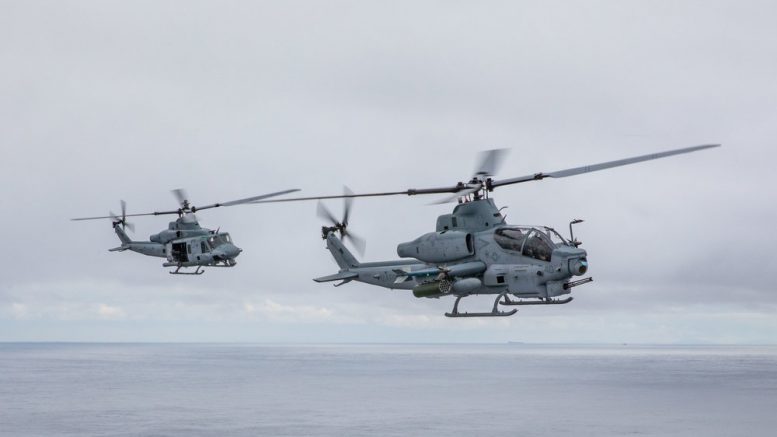
The DAIRCM system is a combat-proven, lightweight survivability suite tailored specifically for small- and medium-sized aircraft facing strict size, weight, and power limits. The integrated modular architecture combines advanced missile warning, directed infrared countermeasures, laser warning, and hostile-fire indication to safeguard crews in contested environments.
“The DAIRCM system provides unmatched protection for small- and medium-sized aircraft operating in high-threat environments, combining advanced missile warning and countermeasures into a lightweight, combat-proven suite.”
This production milestone paves the way for broader fleet integration across rotary-wing and fixed-wing platforms requiring robust defense mechanisms. Continued maturation of the suite will enhance survivability against proliferating infrared-guided threats. Defense planners anticipate expanded rollouts as operational requirements in contested airspace evolve.