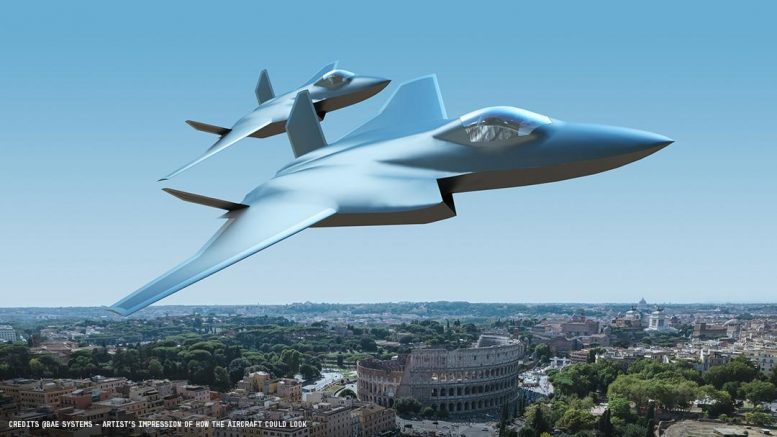
AviationNews – Poland has entered high-level negotiations to join the Global Combat Air Programme (GCAP), a collaborative effort to develop a sixth-generation fighter jet. The move signals a major shift in Warsaw’s defense strategy as it seeks to move beyond off-the-shelf purchases toward active participation in elite aerospace manufacturing.
The Polish government is currently in discussions with the founding partners—Italy, Japan, and the United Kingdom—regarding a potential partnership in the ambitious defense project. This development follows a period of rapid military expansion for Poland, which has seen the country emerge as one of Europe’s leading spenders on defense. By joining GCAP, Poland aims to revitalize its domestic defense industry and bridge a long-standing technological gap in indigenous aircraft production, moving from a consumer to a co-developer of frontline air power.
Technically, a sixth-generation fighter represents the pinnacle of modern combat engineering, integrating artificial intelligence, advanced stealth, and a “system of systems” approach where the aircraft controls a swarm of autonomous drones. For Poland, participation would provide local engineers with access to cutting-edge research in sensor fusion and low-observable materials. Operationally, this would allow the Polish Air Force to integrate seamlessly with the world’s most advanced air defense networks, ensuring long-term air superiority over NATO’s eastern flank.
“This is not just about acquiring a new aircraft; it is about the future of our industrial sovereignty,” a defense ministry official noted during the briefing. “Joining the GCAP initiative would allow our scientists and manufacturers to work at the absolute frontier of aerospace technology, creating high-skilled jobs and a sustainable foundation for our national security for decades to come.”
The inclusion of Poland would expand the financial and industrial base of the project, potentially accelerating development timelines. If the deal proceeds, it will mark a significant evolution for the European defense landscape, further solidifying the GCAP alliance as a primary competitor to other global next-gen programs.
Poland’s interest in the Global Combat Air Programme underscores its ambition to become a central hub for European defense innovation. While negotiations remain ongoing, a successful entry would fundamentally transform the country’s military-industrial capabilities and its role within international security alliances.

